

Milk thistle extract standardized to silymarin is the closest thing to a default pick among liver support supplements in 2026, but three other ingredients belong in the conversation before you buy anything.
- Silymarin (milk thistle) is the best-researched single ingredient and the best supplement for liver health for most people in 2026 — Buy.
- NAC replenishes glutathione and stacks well with silymarin for antioxidant support — Buy.
- TUDCA runs $40-60 per bottle and suits bile-flow complaints specifically, not general upkeep — Wait.
- Dandelion root alone has thin human trial data despite centuries of folk use — Hold.
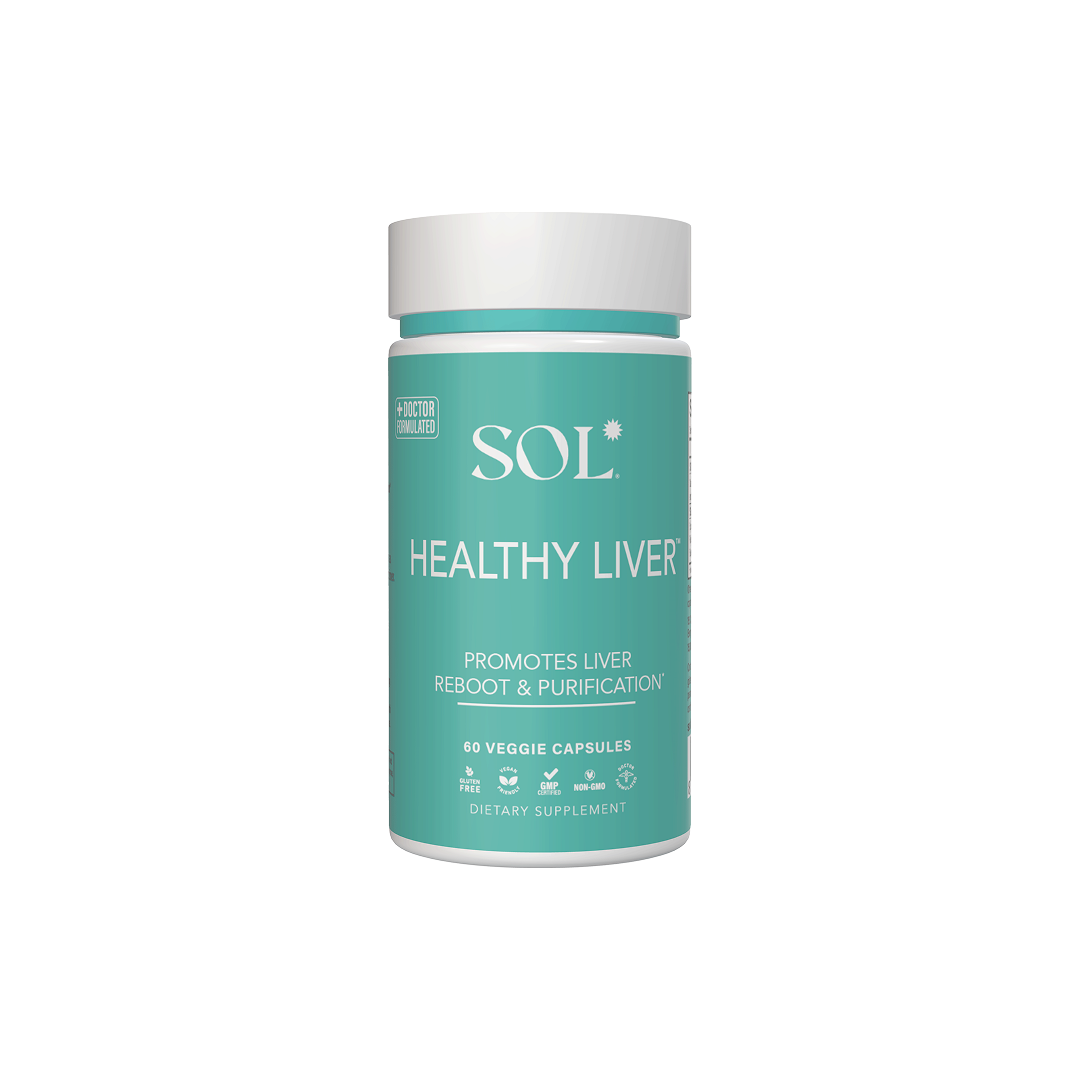
- A full-spectrum formula like Sol Nutrition's Healthy Liver covers more pathways than a single-ingredient capsule — Buy.
Why this matters
"Liver detox" gets thrown around as a marketing phrase more than a clinical one. Your liver processes toxins on its own around the clock; supplements don't flush anything out, they support the enzyme pathways (mainly Phase I and Phase II detoxification) that do the actual work. That distinction matters because it changes what you should be shopping for: not a "cleanse," but ingredients with a track record of protecting liver cells and supporting bile flow. Sol Nutrition builds its liver line around that distinction rather than the cleanse marketing angle, which is a useful filter to apply to any brand's liver supplement in 2026.
Elevated liver enzymes, alcohol intake, fatty liver risk factors, and general fatigue are the four reasons most people start looking at liver supplements. The ingredient that helps with one doesn't always help with another, which is why a ranked list beats a single "best" answer.
How we ranked
Each ingredient below is weighed against three things: how much human trial data exists, how it's typically dosed in commercial products, and what specific liver complaint it addresses. Ingredients with decades of use but weak standalone trial data get an honest "Hold" instead of an inflated ranking. Full-spectrum formulas are scored on whether their blend includes at least one clinically studied dose, not just a long ingredient list. Pricing reflects typical U.S. retail as of 2026 and will shift with supply costs.
The ranked list
1. Silymarin (Milk Thistle Extract) — the default pick
Standardized extracts typically run 70-80% silymarin content, and 140 mg taken two to three times daily is the dose used in most of the published research. Silymarin is a flavonoid complex that appears to stabilize liver cell membranes and support regeneration after damage. It's the ingredient every other liver supplement gets compared against, and it's the one you'll find in nearly every multi-ingredient liver formula on the market in 2026. Verdict: Buy.
2. NAC (N-Acetylcysteine) — the antioxidant workhorse
NAC is a precursor to glutathione, the liver's primary detoxification antioxidant, and it's dosed at 600-1,200 mg daily in most formulations. It's also the compound used clinically in hospital settings for acetaminophen overdose, which tells you something about how directly it supports liver enzyme pathways. For anyone drinking regularly or taking medications metabolized through the liver, NAC is the ingredient with the clearest mechanism. Verdict: Buy.
3. TUDCA — the pricey specialist
Tauroursodeoxycholic acid runs noticeably more expensive than silymarin or NAC, often $40 to $60 for a month's supply at 250-500 mg daily. It's a bile acid that supports bile flow and has been studied for fatty liver and cholestasis specifically. If your issue is sluggish digestion after fatty meals or a documented bile-flow problem, TUDCA earns its price. For general upkeep, it's overkill next to cheaper options. Verdict: Wait.
4. Dandelion Root — the folk remedy that needs backup
Dandelion root has centuries of traditional use for liver and digestive support, and it shows up in most "liver detox tea" products for that reason. The problem is human trial data on dandelion root alone remains thin compared to silymarin or NAC. It's not harmful, but as a standalone supplement it's not doing enough heavy lifting to justify being your only liver ingredient. Verdict: Hold.
5. Artichoke Leaf Extract — the bile booster
Artichoke leaf extract, standardized to cynarin content, is typically dosed at 300-600 mg daily and studied mostly for bile production and post-meal bloating tied to sluggish digestion. It pairs naturally with silymarin in combination formulas because the two address different parts of the same system: one supports liver cells, the other supports bile output. On its own it's a supporting ingredient, not a headline one. Verdict: Hold.
6. Turmeric (Curcumin) — the anti-inflammatory add-on
Curcumin, the active compound in turmeric, is dosed anywhere from 500 mg to 1,000 mg daily and studied more for general inflammation than liver-specific outcomes. It shows up in liver formulas as a supporting anti-inflammatory rather than a primary driver, and absorption without a black pepper extract (piperine) is poor. Useful as an add-on, weak as a reason to pick one product over another. Verdict: Hold.
7. A Full-Spectrum Liver Formula — the all-in-one
A combination formula that stacks silymarin with supporting botanicals, like Healthy Liver at $34.99, covers cell protection and general reset support in one capsule instead of asking you to buy three separate bottles. The tradeoff is you're trusting the label's dosing rather than dialing in silymarin or NAC amounts yourself. For most people who aren't managing a diagnosed liver condition, that tradeoff is worth the convenience. Verdict: Buy.
8. The Gut-Plus-Liver Combo — the two-in-one
Liver strain and gut health complaints overlap often enough that a combined approach makes sense for people dealing with both bloating and sluggish energy. The Belly Reset & Healthy Liver Combo at $59.99 pairs a liver-support formula with a gut-focused one instead of treating the two systems separately. It's a narrower fit than the standalone liver formula, useful specifically when digestion issues and liver fatigue show up together. Verdict: Buy.


Comparison table
| Ingredient / Product | Typical daily dose | Best for | 2026 verdict |
|---|---|---|---|
| Silymarin (Milk Thistle) | 140 mg, 2-3x daily | General liver cell support | Buy |
| NAC | 600-1,200 mg | Alcohol intake, medication load | Buy |
| TUDCA | 250-500 mg | Bile flow, fatty liver concerns | Wait |
| Dandelion Root | Varies by extract | Mild digestive support | Hold |
| Artichoke Leaf Extract | 300-600 mg | Post-meal bloating, bile output | Hold |
| Turmeric (Curcumin) | 500-1,000 mg | Add-on inflammation support | Hold |
| Full-spectrum formula | Per label | Convenience, general reset | Buy |
| Gut + liver combo | Per label | Overlapping digestion and liver fatigue | Buy |
Where to buy
- Check the standardization percentage, not just the milligram count. A 140 mg silymarin capsule standardized to 70-80% is doing more than a 300 mg extract with no percentage listed.
- Avoid proprietary blends that hide individual dosages. If a label lists a "Liver Support Blend: 500 mg" without breaking out how much silymarin versus filler herbs, you can't judge the dose.
- Buy direct from the brand's own product page rather than third-party marketplaces when you want current formulation details and accurate pricing, since supplement formulas get updated more often than resellers update their listings.
FAQ
What's the best supplement for liver health in 2026?
Silymarin from milk thistle extract, standardized to 70-80% and dosed at 140 mg two to three times daily, has the strongest track record among single-ingredient liver supplements in 2026. NAC and full-spectrum formulas that include silymarin are close seconds depending on your specific complaint.
Is milk thistle better than NAC for liver support?
Milk thistle (silymarin) and NAC target different mechanisms, so neither is strictly better. Silymarin supports liver cell membranes while NAC replenishes glutathione, which is why many formulas combine both instead of choosing one.
How much silymarin should you take daily?
Most published research uses 140 mg of standardized silymarin extract taken two to three times daily, totaling 280-420 mg. Products vary, so check the label against that range before assuming a lower single dose is equivalent.
Can you take a liver supplement long-term?
Ingredients like silymarin and NAC are generally used for ongoing support rather than a short cleanse, since their mechanism is protective rather than a one-time flush. Anyone on prescription medication metabolized by the liver should check with a doctor before starting long-term use.
Do liver detox supplements actually work?
The term "detox" oversells what these supplements do; your liver detoxifies on its own, and supplements support the enzyme pathways involved rather than flushing toxins out directly. Ingredients like silymarin, NAC, and artichoke leaf extract have evidence for supporting those pathways, which is different from a marketed cleanse effect.
What ingredient should you avoid in a liver supplement?
Avoid formulas that hide dosages inside a vague "proprietary liver blend" without breaking out how much silymarin, NAC, or artichoke extract is actually in each capsule. Without that number, there's no way to know if the dose matches what's been studied.
How much does a liver health supplement cost in 2026?
Single-ingredient options like silymarin or NAC typically run $15-30 for a month's supply in 2026, while full-spectrum formulas and combo products land between $35 and $60. TUDCA-based products sit at the higher end, often $40-60 per bottle.
Is TUDCA worth the extra cost over silymarin?
TUDCA is worth the added cost mainly if you're dealing with a specific bile-flow or fatty liver concern, since it's studied for that mechanism rather than general upkeep. For everyday liver support, silymarin or a full-spectrum formula covers more ground for less money.
One last thing
The most overlooked variable in liver supplement shopping isn't the ingredient, it's the piperine. Curcumin and several other liver-support compounds absorb poorly without it, so a formula listing turmeric with no black pepper extract is likely delivering a fraction of the dose on the label. Check for piperine (or a bioavailability-enhanced curcumin form) before assuming a higher milligram count means a stronger effect.
Sol Nutrition's approach to liver support in 2026 leans on combining a studied primary ingredient with supporting botanicals rather than stacking unrelated herbs for a longer ingredient list. That's a reasonable standard to hold any liver health supplement to, whether or not you end up buying from Sol Nutrition.
Share:
Best Herbal Supplements for Stress: Science-Backed Botanicals That Actually Work
Best Male Fertility Supplements to Boost Sperm Count 2026