

You sleep eight hours but wake up exhausted. You need coffee just to feel functional. By mid-afternoon, you're running on fumes, yet when bedtime comes, you're inexplicably wired. You crave salty foods, feel lightheaded when you stand up quickly, and can't recover from stress the way you used to.
If this describes your daily reality, you may be experiencing what's commonly called "adrenal fatigue"—a state of chronic exhaustion that occurs when prolonged stress overwhelms your body's ability to cope.
While the term "adrenal fatigue" isn't officially recognized as a medical diagnosis, the symptoms are very real, and the underlying physiology—dysfunction in the body's stress response system—is well-documented. Understanding what's happening in your body and how to support recovery can help you reclaim the energy and resilience that chronic stress has stolen.
What Is Adrenal Fatigue?
Your adrenal glands are small, walnut-sized organs that sit on top of your kidneys. Despite their size, they produce over 50 hormones essential for life, including cortisol (your primary stress hormone), adrenaline (epinephrine), and DHEA.
When you experience stress, your hypothalamus signals your pituitary gland, which signals your adrenals to release cortisol. This HPA (hypothalamic-pituitary-adrenal) axis is designed to handle short-term stressors and then return to baseline.
The problem arises when stress becomes chronic. Our modern lives present relentless challenges that keep the HPA axis activated: demanding jobs, financial pressure, relationship stress, poor sleep, processed diets, environmental toxins, and the constant stimulation of digital devices.
Over time, this chronic activation can lead to HPA axis dysfunction—what many practitioners refer to as "adrenal fatigue." The adrenals may produce too much cortisol, too little cortisol, or cortisol at the wrong times of day, disrupting your natural rhythms and leaving you exhausted.
The Three Stages of Adrenal Dysfunction
Understanding that adrenal fatigue isn't a single state but a progression can help you identify where you might be and what intervention is needed.
Stage 1: Alarm (Wired and Tired)
In the initial stage, your adrenals are working overtime, pumping out high levels of cortisol in response to ongoing stress.
Characteristics:
- High energy but difficulty relaxing
- Wired but tired feeling
- Difficulty falling asleep despite exhaustion
- Anxiety and irritability
- Weight gain, especially around the midsection
- Elevated blood sugar and blood pressure
- Frequent colds and infections (immune suppression)
At this stage, you might feel like you're functioning well, powering through each day. But you're running on stress hormones rather than genuine energy, and the reserves are depleting.
Stage 2: Resistance (The Struggle)
As stress continues, the adrenals begin to struggle to keep up with demand. Cortisol levels may swing between high and low.
Characteristics:
- Fatigue that isn't relieved by sleep
- Need caffeine to function in the morning
- Energy crashes, especially mid-afternoon
- Feeling overwhelmed by minor stressors
- Brain fog and poor concentration
- Increased PMS or menstrual irregularities
- Low libido
- Digestive issues
- Mood swings, anxiety, or mild depression
Many people remain in this stage for years, propping themselves up with caffeine, sugar, and sheer willpower.
Stage 3: Exhaustion (Burnout)
Without intervention, the system eventually exhausts itself. Cortisol output drops, and you lose the ability to mount a proper stress response.
Characteristics:
- Profound, debilitating fatigue
- Inability to handle any stress
- Depression and loss of motivation
- Severe brain fog and memory problems
- Extreme difficulty getting out of bed
- Very low blood pressure
- Hypoglycemia (low blood sugar)
- Severe salt and sugar cravings
- Complete loss of resilience
This stage requires significant intervention and time to recover. Prevention and early intervention in stages 1 and 2 is far easier than recovering from stage 3.
Common Signs and Symptoms of Adrenal Fatigue
Energy Patterns
- Morning exhaustion despite adequate sleep
- Difficulty waking up and hitting snooze repeatedly
- Need for caffeine to start the day
- Mid-afternoon crash (typically 2-4 PM)
- Second wind at night making it hard to sleep
- Not refreshed by sleep no matter how much you get
Stress Response
- Feeling overwhelmed by normally manageable tasks
- Overreacting to minor stressors
- Difficulty recovering from illness, injury, or stress
- Low tolerance for noise, bright lights, or crowds
- Startling easily
Physical Symptoms
- Salt cravings (the adrenals need sodium)
- Sugar cravings (blood sugar instability)
- Lightheadedness when standing up quickly
- Low blood pressure
- Frequent sighing (body seeking more oxygen)
- Muscle weakness
- Poor circulation (cold hands and feet)
- Dark circles under eyes
Mental and Emotional
- Brain fog and poor concentration
- Memory problems
- Anxiety or nervousness
- Mild depression or apathy
- Irritability
- Loss of motivation or enjoyment
Hormonal
- Low libido
- Menstrual irregularities
- Worsened PMS
- Difficulty building muscle
- Easy weight gain, hard weight loss
Root Causes of Adrenal Fatigue
Understanding what depletes the adrenals helps inform recovery strategies.
Psychological Stress
- Work pressure and deadlines
- Financial worries
- Relationship difficulties
- Major life changes
- Perfectionism and overachieving tendencies
- Unresolved trauma
Physical Stress
- Chronic illness or pain
- Excessive exercise (especially endurance training)
- Sleep deprivation
- Surgery or injury
- Chronic infections (including hidden infections)
Dietary Stress
- High sugar intake (blood sugar swings stress adrenals)
- Excessive caffeine
- Nutrient deficiencies
- Food sensitivities
- Skipping meals
- Processed food diet
Environmental Stress
- Toxin exposure
- Electromagnetic fields
- Poor air quality
- Noise pollution
Inflammatory Stress
- Chronic inflammation from diet, lifestyle, or illness
- Gut dysfunction (leaky gut, dysbiosis)
- Autoimmune conditions
The TCM Perspective on Adrenal Health
Traditional Chinese Medicine doesn't use the term "adrenal fatigue," but it has described this pattern for thousands of years using different language.
In TCM, the adrenals are associated with "Kidney energy" or "Kidney Qi." The Kidneys (in TCM, this refers to an energetic system, not just the physical organs) store your fundamental life essence, called "Jing." This essence is like a battery that you're born with and gradually deplete over your lifetime.
When Kidney energy becomes depleted—through overwork, chronic stress, excessive sexual activity, or insufficient rest—symptoms remarkably similar to "adrenal fatigue" appear: deep exhaustion, weak lower back and knees, poor memory, low libido, premature aging, and sensitivity to cold.
TCM treatments focus on:
- Tonifying Kidney Qi - Restoring fundamental energy
- Nourishing Kidney Yin - Replenishing the cooling, restorative aspect
- Supporting Kidney Yang - Strengthening the warming, activating aspect
- Building Blood - Ensuring adequate nourishment reaches tissues
- Calming Shen - Settling the spirit to reduce stress impact
This holistic approach addresses not just symptoms but the underlying constitutional imbalance, offering a path to genuine recovery rather than temporary symptom relief.
Natural Recovery Strategies
1. Prioritize Sleep
Sleep is when your body repairs and your adrenals recover. This isn't optional for recovery—it's foundational.
Strategies:
- Aim for 8-10 hours during recovery (you may need more than usual)
- Maintain consistent sleep and wake times
- Be in bed by 10 PM (the hours before midnight are most restorative)
- Create a completely dark sleeping environment
- Avoid screens for 1-2 hours before bed
- Consider sleeping in on weekends—your body may need extra rest
2. Manage Blood Sugar
Blood sugar crashes force your adrenals to release cortisol to raise glucose levels. Keeping blood sugar stable reduces this burden.
Strategies:
- Eat protein with every meal and snack
- Include healthy fats to slow glucose absorption
- Avoid sugar and refined carbohydrates
- Don't skip meals—eat regular, balanced meals
- Have a protein-rich breakfast within an hour of waking
- Consider small, balanced snacks between meals
3. Reduce Stress Load
You can't eliminate all stress, but you can reduce the total burden on your system.
Strategies:
- Learn to say no—protect your energy
- Delegate when possible
- Take breaks throughout the day
- Practice stress-reduction techniques daily (meditation, breathwork, yoga)
- Limit news and social media consumption
- Spend time in nature
- Prioritize activities that bring joy and relaxation
4. Exercise Appropriately
Exercise is beneficial, but intense exercise is a stressor that depleted adrenals can't handle.
Strategies:
- Gentle movement: walking, swimming, yoga, tai chi
- Avoid high-intensity workouts during recovery
- Exercise earlier in the day (not close to bedtime)
- If you feel worse after exercise, you did too much
- Prioritize recovery—don't push through fatigue
- Gradually increase intensity as energy improves
5. Support with Adaptogenic Herbs
Adaptogens are particularly suited for adrenal recovery because they help restore HPA axis function.
Key adaptogens for adrenal support:
- Ashwagandha - Reduces cortisol, improves stress resilience, supports thyroid function
- Rhodiola - Enhances energy and mental clarity, reduces fatigue
- Eleuthero - Improves stamina and stress resistance
- Holy Basil - Normalizes cortisol, reduces anxiety
- Licorice Root - Supports cortisol levels (use cautiously and short-term)
- Schisandra - Tonifies adrenal function, supports liver
Important: Work with a practitioner to choose appropriate adaptogens for your specific stage and constitution.
6. Address Nutrient Deficiencies
The adrenals require specific nutrients to function optimally.
Key nutrients:
- Vitamin C - The adrenals have the highest concentration of vitamin C in the body
- B vitamins - Essential for energy production and stress response
- Magnesium - Depleted by stress, critical for hundreds of enzymatic reactions
- Zinc - Supports hormone production and immune function
- Vitamin D - Important for hormone balance and immune function
- Omega-3 fatty acids - Reduce inflammation and support brain function
7. Support Gut Health
An unhealthy gut creates inflammation and stress that burden the adrenals. Additionally, many neurotransmitters are produced in the gut.
Strategies:
- Eat plenty of fiber-rich vegetables
- Include fermented foods
- Identify and eliminate food sensitivities
- Consider digestive support if needed
- Address any gut infections or dysbiosis
8. Create Recovery Rituals
Building recovery practices into your daily routine ensures consistent support for healing.
Ideas:
- Morning sunlight exposure (helps set circadian rhythm)
- Gentle morning stretching or yoga
- Afternoon rest break (even 10-20 minutes)
- Evening relaxation ritual (bath, reading, gentle music)
- Gratitude practice before bed
- Weekly "recovery day" with no obligations
Timeline for Recovery
Recovery from adrenal fatigue is not quick—but it is possible. Expect:
- Mild cases (Stage 1): 3-6 months with lifestyle changes
- Moderate cases (Stage 2): 6-12 months with consistent intervention
- Severe cases (Stage 3): 12-24 months or more with comprehensive support
The recovery process isn't linear. You'll likely have good days and setbacks. Patience and consistency are essential.
When to Seek Professional Help
While lifestyle changes and supplements can be very effective, some situations warrant professional guidance:
- Symptoms are severe or rapidly worsening
- You've tried self-care for 3+ months without improvement
- You have other medical conditions
- You're taking medications that might interact with supplements
- You want testing to assess HPA axis function
- You need help identifying root causes
Practitioners who understand adrenal health include functional medicine doctors, naturopathic physicians, integrative medicine practitioners, and Traditional Chinese Medicine practitioners.
Supporting Your Recovery with Sol Nutrition
At Sol Nutrition, we understand that adrenal recovery requires more than a single supplement—it requires a systematic approach that addresses root causes while supporting the body's natural healing processes.
Our Adrenal Support formula was developed by Dr. Jing Liu using Traditional Chinese Medicine principles to tonify Kidney energy while calming the stress response. Unlike single-herb products, our formula combines multiple synergistic herbs that work together to restore balance.
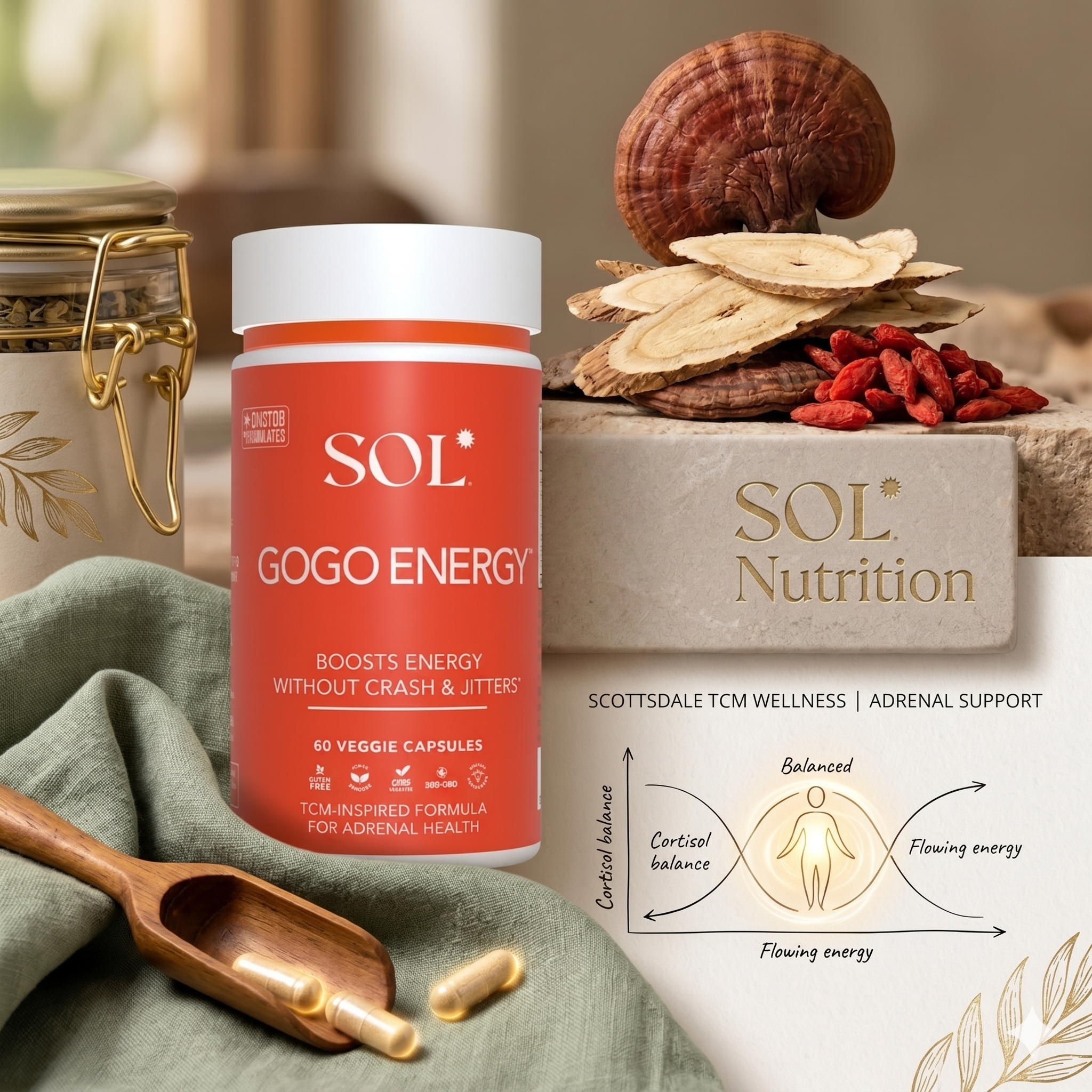
Combined with our GoGo Energy for gentle daily support and our Sleep Deeply formula for restorative rest, you have a complete system for adrenal recovery.
Frequently Asked Questions
Is adrenal fatigue a real medical condition?
While "adrenal fatigue" isn't an official diagnosis in conventional medicine, the symptoms and underlying HPA axis dysfunction are well-documented. Many integrative and functional medicine practitioners recognize and treat this condition.
How can I test for adrenal fatigue?
Salivary cortisol testing measures cortisol levels at multiple points throughout the day, providing insight into your cortisol rhythm. The DUTCH (Dried Urine Test for Comprehensive Hormones) test offers even more detailed information about hormone patterns.
Can you fully recover from adrenal fatigue?
Yes, with consistent lifestyle changes, appropriate supplementation, and time, most people can fully recover their energy and resilience. Recovery requires patience, as the body needs time to rebuild depleted reserves.
Is caffeine bad for adrenal fatigue?
Caffeine forces the adrenals to release more cortisol and adrenaline, depleting already stressed glands. During recovery, it's best to eliminate or significantly reduce caffeine and replace it with gentle adaptogenic support.
How do I know if my adrenals are recovering?
Signs of recovery include: waking feeling more refreshed, needing less caffeine, more stable energy throughout the day, improved stress tolerance, better mood, and reduced cravings for salt and sugar.
The statements in this article have not been evaluated by the FDA. This product is not intended to diagnose, treat, cure, or prevent any disease. Please consult your healthcare provider for diagnosis and treatment of any medical condition.
Share:
The Ultimate Hangover Cure: You're Welcome